Which AI search developments deserve your dealership’s attention—and how can you tell whether they’re helping your business?
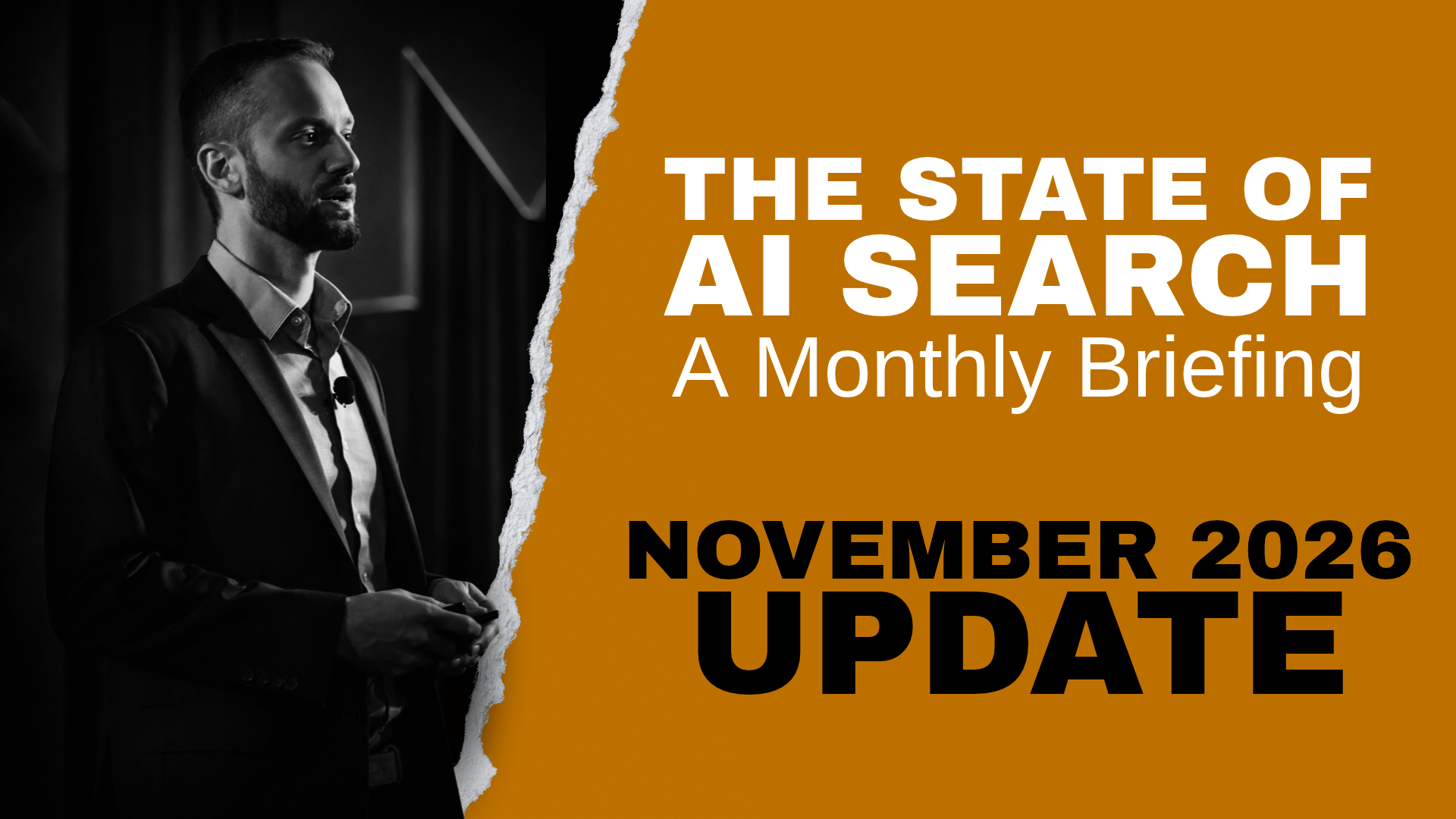
In the seventh installment of State of AI Search, Wikimotive Co-founder and CEO Zach Billings answers dealership questions in a special Live Q&A. Drawing on topics from the series’ first six sessions, he discusses how AI intersects with dealership reputation, website content, paid search, pricing accuracy, and marketing measurement.
Watch for practical guidance on investigating your dealership’s portrayal in ChatGPT, evaluating advertising automation, and distinguishing changes in reported performance from additional sales and service opportunities.
What the Q&A Covers
- Reputation depends on the question. Vehicle searches and questions about dealership quality draw on different information. Zach discusses Google reviews, other review platforms, and CarEdge—and how dealers can investigate the sources behind their portrayal in ChatGPT.
- Useful content matters more than a prescribed format. Adding FAQs solely to pursue AI visibility misses the purpose of the content. Zach explains why clear, informative answers should serve shoppers rather than a checklist of supposed GEO requirements.
- Advertising automation needs scrutiny. AI Max and Performance Max can report strong results while capturing searches a dealership’s organic presence already serves. Zach discusses reviewing actual search queries and evaluating paid performance alongside organic results.
- Pricing problems require a source check. When AI presents incorrect vehicle information, dealers can begin by comparing specific vehicles across their website and third-party listings. Zach outlines how to test AI-assisted comparisons, verify their accuracy, and involve website or inventory vendors when information is being misread.
- A recommendation and a citation carry different meanings. Being recommended as a dealership may influence a shopper even without a direct website link. Being cited for a general vehicle fact does not establish the same business value.
- Visibility tracking has practical limits. Prompt wording, personal context, and changing answers complicate reporting. Zach explains why broad scores and isolated tests should not automatically dictate a dealership’s priorities.
The session also examines what Google’s earnings headlines can—and cannot—tell dealers about changing shopper behavior, how emerging AI advertising opportunities may fit local automotive retail, and why more reported conversions should prompt questions about measurement, pricing, and customer follow-up before additional spending.
Using AI to Investigate Marketing Performance
Zach closes with examples of connecting AI to marketing platforms through Windsor.ai to help investigate performance questions. These include distinguishing a tracking interruption from an actual traffic decline and checking whether fewer website calls reflect a shift toward calls placed directly through Google Business Profile.
The value depends on reliable source data, specific questions, and verification. Connecting more platforms can provide context, but dealers and agencies still need to check the conclusions.
Keep Following the Research
State of AI Search examines what changing search experiences mean for dealership marketing, using ongoing research and practitioner observations to separate useful developments from sales pitches. November’s Q&A reinforces a practical approach: maintain consistent information, publish useful content, scrutinize advertising performance, and judge new tools by their contribution to dealership outcomes.